What to bring on a dolphin tour: a packing list for a sunrise boat trip

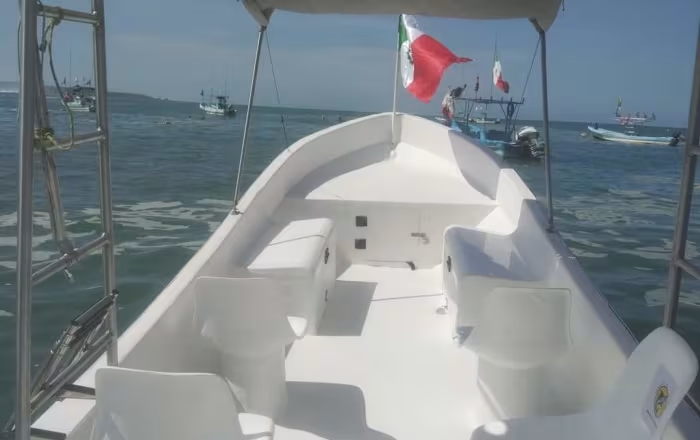
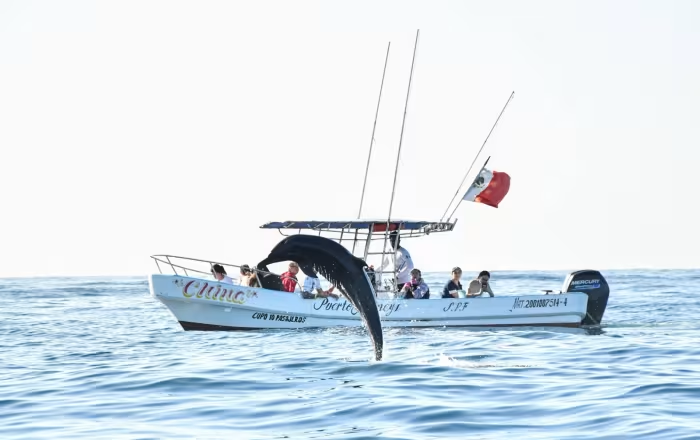
The night before a sunrise dolphin tour, most people stand over their bag wondering what they actually need for three hours at sea. The short answer: less than you think. The boat is a traditional open panga, the trip lasts about three hours, and pickup at your hotel is at 6:30 AM, so anything you don't carry can stay in your room.
What follows is the list we would give a friend: what is already provided, what is worth bringing, and what is better left behind.
What's already included
Before packing, it helps to know what you don't need to bring:
- Life jackets for everyone, including child sizes.
- Bottled water on board.
- Hotel pickup in Puerto Escondido's pickup zone, so there is no parking or taxi to sort out.
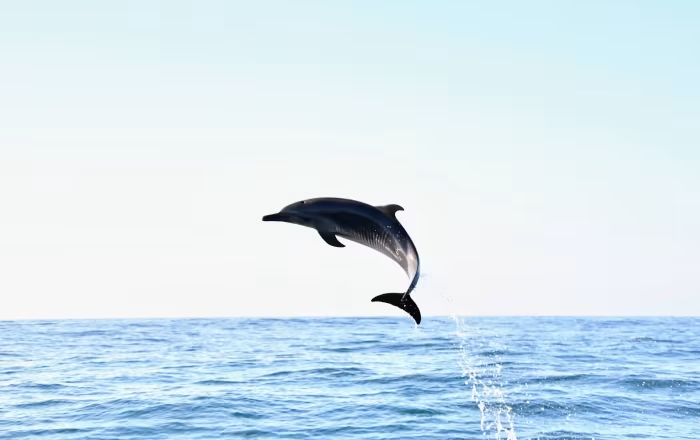
- A local captain and a bilingual guide who will point out dolphins, turtles and, in season, whales.
That covers the safety side. Everything else is about staying comfortable on a small boat under a strong tropical sun.

The essentials
Sun protection
The sun is still low when you leave, but by 8:30 or 9 AM it is strong, and the water reflects it back at you. An open panga has no shade.
- Reef-safe sunscreen, applied at the hotel before pickup so it has time to settle. Pick one without oxybenzone or octinoxate; you will be over the same water the dolphins and turtles live in.
- A hat that stays on: a cap or a hat with a chin strap. Wide floppy brims tend to fly off once the boat picks up speed.
- Sunglasses with a strap. Polarized lenses cut the glare and make it easier to see dolphins just under the surface. Without a strap, the first big lean over the side is often the last time you see them.
Layers
Mornings on the water can be surprisingly cool, especially with the wind of a moving boat and a little spray. Two hours later you will be warm.
- A light jacket or long-sleeve shirt for the first hour. A thin windbreaker is ideal.
- Quick-dry clothes underneath: shorts and a T-shirt, or swimwear under your clothes if you like. You stay on the boat the whole time, but spray happens.
Footwear
The pangas leave from the fishermen's area of Bahía Principal, and getting on board can mean stepping through shallow water or wet sand. Sandals or water shoes that you don't mind getting wet are the best choice. Leave sneakers and leather shoes at the hotel.
Phone and camera
- A waterproof phone case or pouch, ideally on a lanyard. Spray and an accidental drop are the two main risks to your phone on a small boat.
- A camera with a wrist strap if you bring one. A mid-range zoom is plenty; dolphins often come within a few meters of the boat, so huge telephoto lenses are more of a burden than a help.
- A charged battery and free memory. When a pod arrives, things happen fast.
A small bag
Bring everything in a small backpack or a dry bag. A dry bag is the better option: it keeps your jacket and wallet dry when they are not on you, and it can sit at your feet without worry.
Useful extras
- Seasickness tablets, if you are prone to motion sickness. Take one 30 to 60 minutes before departure, which on this tour is about when you are picked up. We wrote a full guide on how to avoid seasickness on a boat tour.
- A light snack. Something plain like a banana or crackers, especially if you skipped breakfast. Keep wrappers in your bag; nothing goes in the sea.
- Small cash in pesos. Tips for the captain and guide are optional and appreciated, and you will probably want breakfast on the beach after you land, around 9:30 to 10 AM.
- Binoculars, from November to March. During humpback whale season, whales are sometimes seen at a distance, and binoculars help. The rest of the year, they are optional.
- A small towel to wipe salt off your hands, sunglasses or camera lens.
What to leave at the hotel
- Valuables you don't need: jewelry, your passport (a photo or copy is enough), extra cards.
- Large bags. There is little space on a panga, and anything near the floor can get wet.
- A drone. It is not practical to launch from a small moving boat, and it disturbs wildlife.
- Spray sunscreen, which drifts across the whole boat. Lotion is easier for everyone.
- Snorkel gear for the dolphins. Swimming with wild dolphins is not allowed under Mexican wildlife rules, and the whole point is to let them come to the boat. Our post on responsible dolphin watching explains why.

Bringing kids? A few additions
The tour suits all ages and child-size life jackets are provided. Mention your children's ages when booking so the right sizes are ready. For kids, add:
- A hat with a strap and extra sunscreen for ears and necks.
- A sweater for the early part of the ride; small children get cold faster.
- A snack and their own water bottle.
- Something of their own to hold, like a cheap waterproof camera, which keeps them busy on the ride out.
Does it change with the season?
A little. From November to March, in the dry season, mornings are clear and can feel cool on the water, so the jacket matters more, and binoculars are worth it for whales. From July to October, the green season, it is warmer and more humid, there can be passing showers, and a light rain jacket doubles as your windbreaker. If you are still choosing your dates, see the best time for dolphin watching in Puerto Escondido.
Quick packing checklist
- Reef-safe sunscreen, already applied
- Hat with a strap, sunglasses with a strap
- Light jacket over quick-dry clothes
- Sandals or water shoes
- Phone in a waterproof case, camera with a strap
- Small dry bag
- Seasickness tablet if needed, plain snack
- Some pesos for tips and breakfast
- Binoculars in whale season
That is all you need. Pack it the night before, set an alarm for before 6:30, and the rest of the morning is up to the dolphins. If you want to know who you are likely to meet out there, read our guide to the dolphin species of Puerto Escondido.