Ocean conditions and cancelled tours: what to know before you book
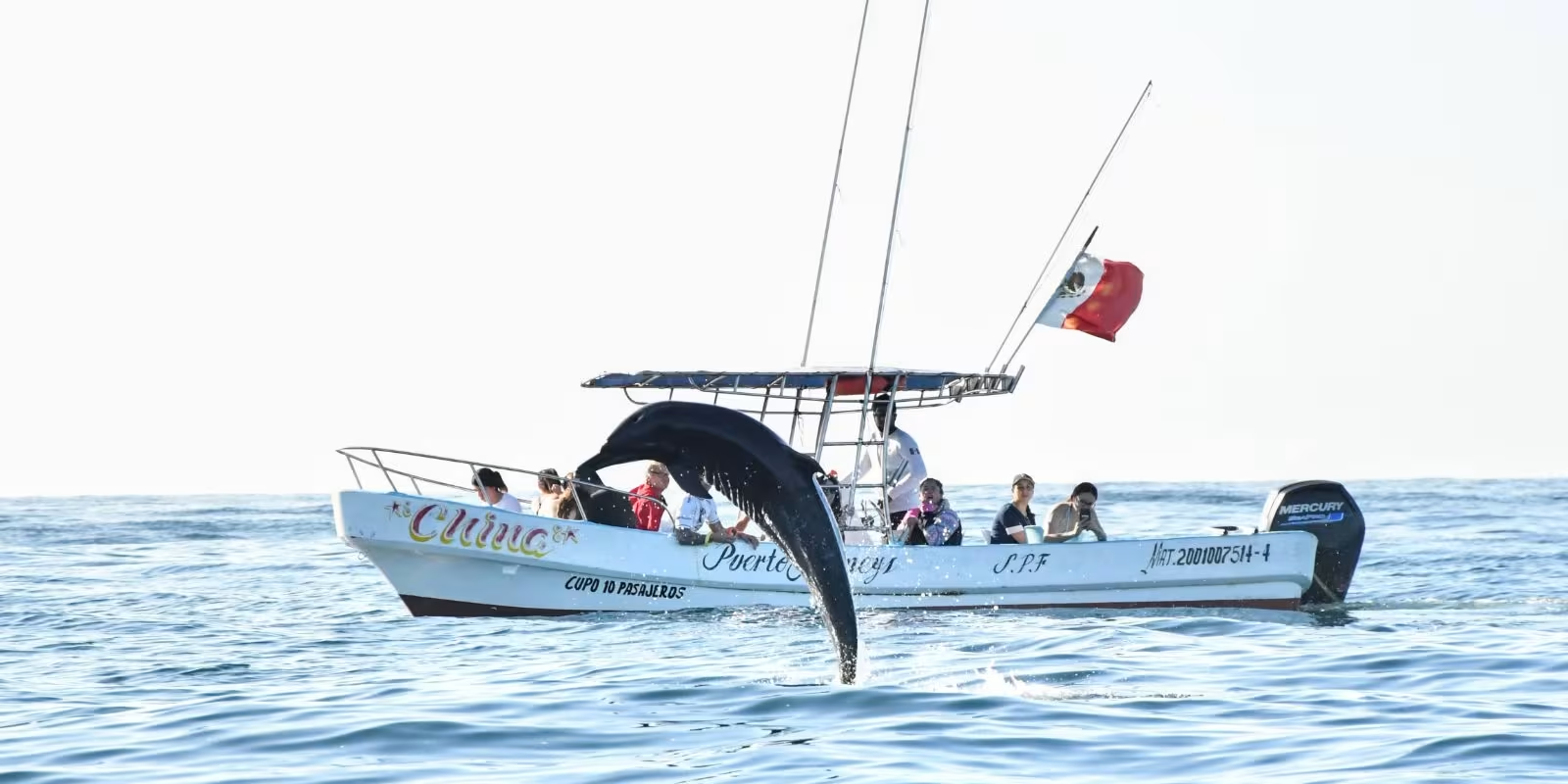
Most mornings off Puerto Escondido, the sea at sunrise is calm enough that the panga glides out of Bahía Principal without much fuss. But this is the open Pacific, not a lake, and a few times a year the ocean decides the day for everyone. If you are planning a dolphin tour, it helps to know how that decision is made, how often it happens and what it means for your booking.
Who decides whether boats go out?
Not the tour operator, and not the captain on his own. In Mexico, every port has a Capitanía de Puerto (the port authority), and it is the port authority that opens or closes the harbor to small boats when conditions turn unsafe. When the port of Puerto Escondido is closed, no tourist panga, fishing boat or private charter is allowed out, whatever its size.
That is a good thing. It takes the pressure off everyone: no operator is tempted to squeeze in a trip on a dangerous morning to avoid a refund, and you are not left wondering whether your captain is being overly cautious. If the port is open, the captains still make their own call on the day, and an experienced local captain will happily shorten the route or stay closer to the coast if the swell picks up.
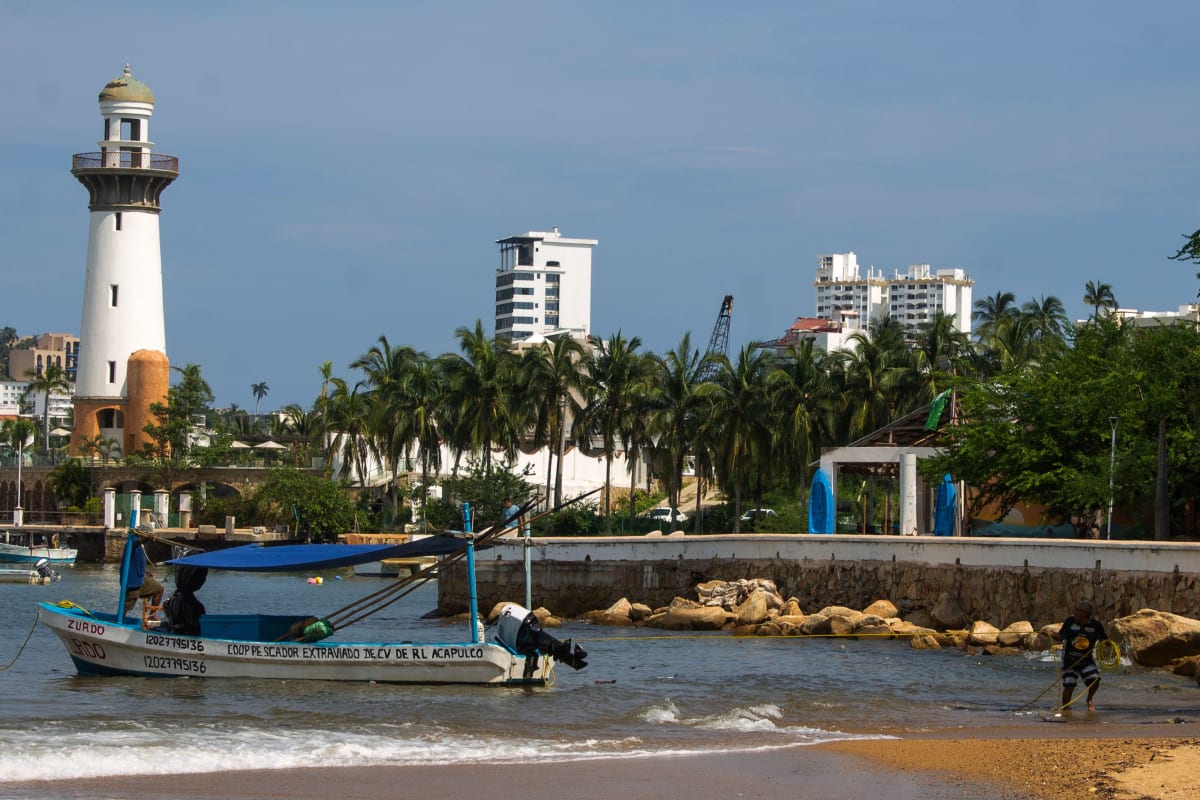
What actually closes the bay
Rain alone almost never does it. What matters is the state of the sea, and on this coast that usually comes from three things:
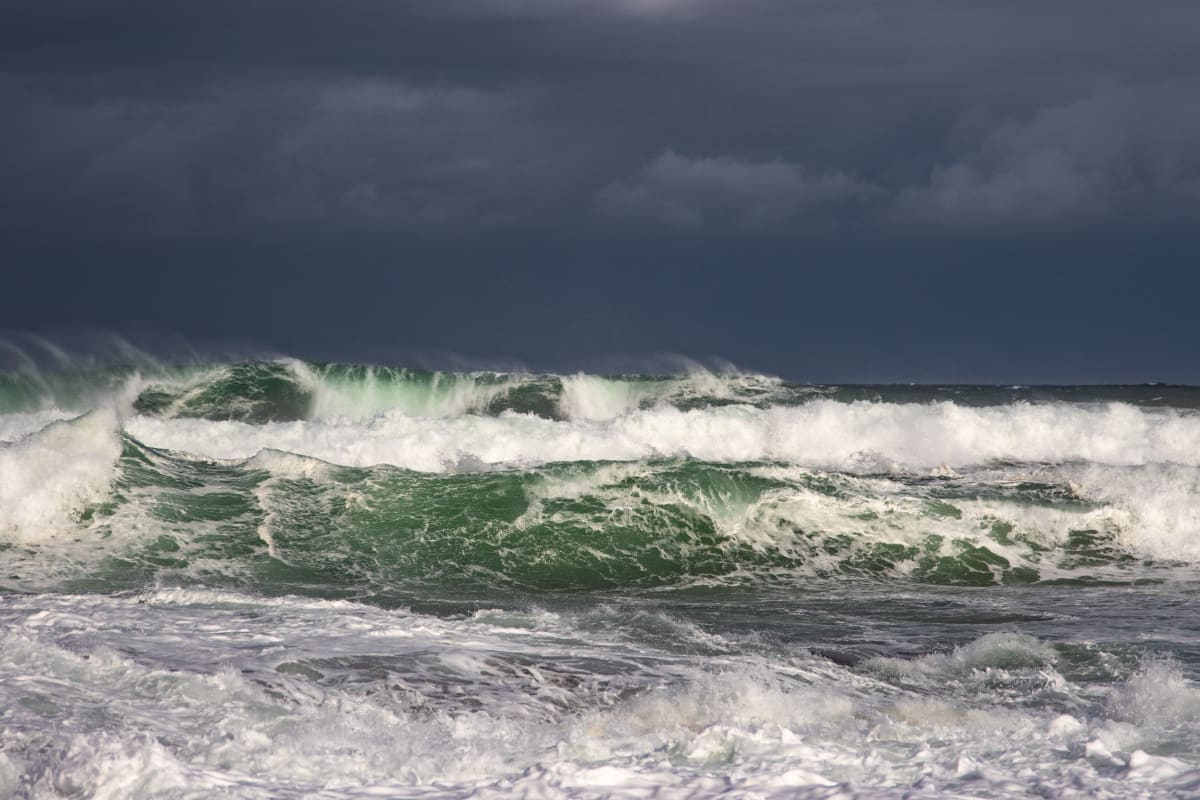
- Big ground swells. Puerto Escondido is famous for its surf because long-period swells from storms far away in the southern Pacific roll straight into it. Most years these are strongest from roughly April to October. A big swell can make the harbor entrance and the open water uncomfortable or unsafe even under a blue sky.
- Tropical storms and hurricanes. The Eastern Pacific hurricane season officially runs from May 15 to November 30, with most activity on the Oaxacan coast usually between August and October. When a system passes offshore, the port can stay closed for a day or several, both for the wind and for the swell it pushes ahead of it.
- Strong wind. Morning wind is usually light, which is one reason every dolphin boat leaves at first light, but unusual wind events can make the sea choppy enough to keep boats in.
In the dry season, from about November to April, closures are less common and the early mornings tend to be the calmest of the year. That does not mean never: a distant storm can still send a big swell in any month.
What happens to your booking if the port closes
This is the part that matters most, so here it is plainly. If the port authority closes the bay on the morning of your tour, the boat does not go out and you choose between a full refund or free rebooking on another date. You do not lose your money because of the weather.
That is separate from changing your own plans. If you simply want to cancel, cancellation is free up to 24 hours before departure. Inside those 24 hours, the weather rule still applies, but a change of mind is a different matter.
One thing worth knowing: closures are usually decided close to the departure time, since conditions at sea can change overnight. A forecast showing a big swell three days out is a reason to keep an eye on things, not proof that your tour is off.
What does not cancel a tour
People sometimes assume the worst when they wake up to gray skies. In practice:
- Light rain or clouds do not cancel the trip. Some of the best dolphin mornings happen under soft, overcast light, and it is easier on the eyes and on your skin.
- Big waves at Zicatela do not automatically mean the bay is closed. Zicatela faces the swell head-on; Bahía Principal is more sheltered. Happy surfers do not necessarily mean the boats stay in.
- A cool or breezy morning is normal on the water. Bring the light jacket from the packing list and you will be fine.
An open port does not mean a perfectly flat sea, either. There is always some swell on the Pacific. If you are sensitive, read our tips to prevent seasickness on a boat tour before you go.
How to plan around the weather
You cannot control the ocean, but a little planning makes a cancellation a minor change of schedule instead of a missed experience.
- Book early in your stay. This is the single best tip. If your first morning is closed, you still have days left to go out again. Booking the tour for your last morning leaves no room to rebook.
- Keep one flexible morning. If you are in town for a week, avoid filling every sunrise with fixed plans. A spare morning turns a closure into a simple swap.
- Book ahead in high season. From November to April the sunrise departures fill up several days in advance, which also makes it harder to find a rebooking date at the last minute.
- Check the tropical outlook in storm season. From August to October, a glance at the forecasts from Mexico's Servicio Meteorológico Nacional or the US National Hurricane Center (Eastern Pacific) tells you whether a system is heading toward the coast.
- Keep your phone on the night before. If anything changes, you want to see the message before your 6:30 AM pickup, not after.
Is the private boat any different?
The port rules are the same for everyone, so a private charter cannot go out when the bay is closed either. What a private boat does give you is flexibility on an open but bumpy morning: your group sets the pace, and you can ask the captain to stay closer to shore or head back early without worrying about anyone else on board.
Quick answers
Which months have the most cancellations?
Most years, the rainy and storm season from roughly July to October sees the most closures, with big swells possible from April onward. November to March is usually the most reliable stretch, which is also whale season.
Do I lose my money if the tour is cancelled for weather?
No. If the port is closed, you get a full refund or a free rebooking.
Can the captain turn back once we are out?
Yes, and a good one will if the sea changes. The tour already stays fairly close to the coast for much of the route, so solid ground is never far away.
Do the dolphins disappear after a storm?
No. The pods live off this coast all year. Right after a big swell the water can be murkier and the captain may need to search a bit more, but the animals are still there.
The bottom line
Weather cancellations are a normal part of boating on the Pacific, they are decided by the port authority rather than the operator, and they never cost you the price of the tour. Book early in your trip, keep a spare morning and let the sea do the rest. If you want to know what your odds look like once the boat is out, read our honest take on whether dolphin sightings are guaranteed.