Orcas and false killer whales off Oaxaca: rare but real
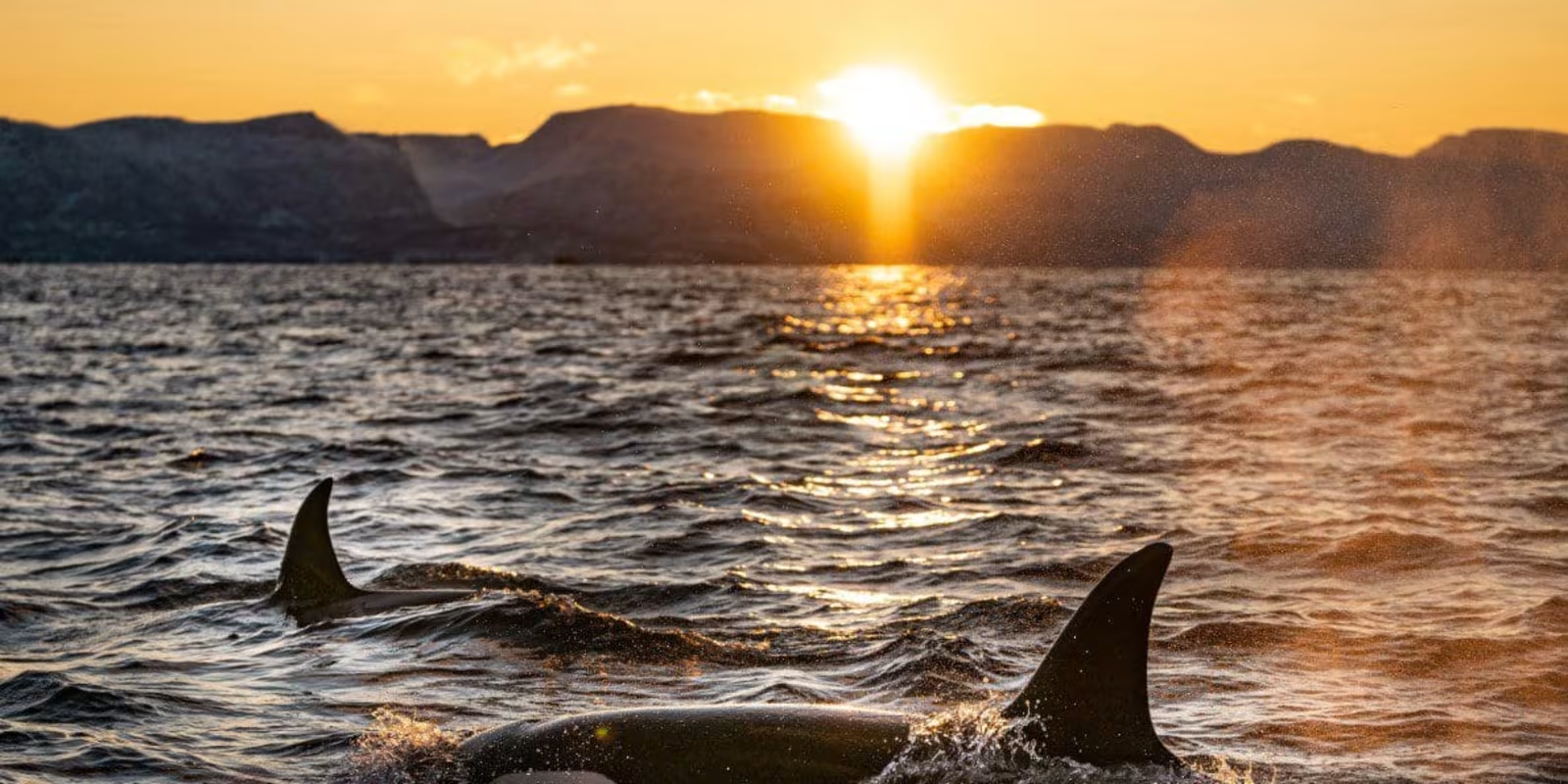
Every few months a video goes around the WhatsApp groups of Puerto Escondido: tall black fins cutting through the water a mile or two off the coast, and a fisherman shouting "¡orcas!" from his panga. It is not a myth. Orcas do pass along the Oaxacan coast, and so do their lesser-known relatives, false killer whales. But they are rare visitors, not something any captain can promise. Here is what we know, how to recognize them and what it means for your morning on the water.
Are there orcas in Oaxaca?
Yes. Orcas (Orcinus orca), also called killer whales, live in every ocean on the planet, from the polar ice to the tropics, and the Mexican Pacific is no exception. Sightings have been recorded along the whole Pacific coast of Mexico, from Baja California down to Oaxaca and Chiapas. Off Puerto Escondido and Huatulco they are usually reported by fishermen and tour boats a handful of times in a typical year, often as a small group traveling fast along the coast.
What there is not, as far as anyone knows, is a resident population. The orcas seen here appear to be travelers covering huge distances, which is why nobody can tell you when the next group will show up. Some years bring several reports in a few weeks; other years go by with none.

False killer whales: the other "orca"
The false killer whale (Pseudorca crassidens) is not a small orca, and despite the name it is not really a whale either. Like the orca, it is a member of the dolphin family, one of the large species sailors call "blackfish". It prefers warm, deep water, which makes the open Pacific off Oaxaca good habitat for it, but it spends most of its time far offshore, so it is seen even less often than orcas from a tour boat.
False killer whales are very social. They travel in groups that can range from a few animals to several dozen, and they are sometimes seen alongside bottlenose dolphins. When they come close to a boat they can be curious, surfacing nearby and looking around before moving on.
How to tell them apart
From a moving panga, with sun glare and swell, telling large dark dolphins apart is harder than it sounds. These are the clues the captains and guides look for:
- Color: an orca is black and white, with a white patch behind the eye, a white belly and a pale gray "saddle" behind the fin. A false killer whale is dark gray to black all over, with no bold white markings.
- Dorsal fin: adult male orcas have a straight, triangular fin that can stand taller than a person. Females and young orcas have a smaller, curved fin. A false killer whale has a modest, curved fin set near the middle of its back.
- Head: both have rounded heads without a beak, but the false killer whale is much slimmer and more streamlined, almost like a stretched dolphin.
- Size: adult orcas are bulky animals, with males reaching around eight meters. False killer whales are smaller and lighter, usually up to five or six meters.
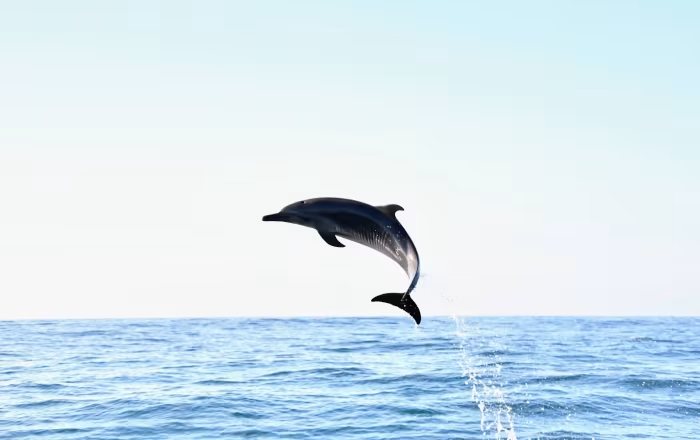
- Behavior: false killer whales tend to move fast and porpoise out of the water at speed. Orcas often travel in a tight, deliberate line, surfacing together.
There are other dark, round-headed species in the eastern tropical Pacific, such as short-finned pilot whales, pygmy killer whales and melon-headed whales, and even researchers sometimes need photos to be sure. If you get a good picture of the fin and the head, you have the best chance of a positive ID.
What do they eat out here?
Orcas are top predators and eat almost anything they can catch. Around the world, different groups specialize in fish, seals, sharks, rays, dolphins or whales. In the Mexican Pacific they have been documented hunting rays, dolphins and even large whales, and some locals believe more reports come during the humpback season, when mothers and calves are along the coast. That is plausible but not proven, and orca sightings here do not follow a reliable season.
False killer whales eat mostly large fish and squid, such as tuna and mahi-mahi. They are known to share prey among themselves, which is unusual behavior and one of the reasons they fascinate scientists.
Will I see orcas on the dolphin tour?
Honestly, probably not, and we would rather tell you that now. The sunrise tour is built around the spinner and bottlenose dolphins that feed off Puerto Escondido every morning, and they are spotted on more than 95% of departures. An orca or false killer whale encounter is a rare bonus, the kind of morning the captains still talk about years later. If you want to understand what is realistic on a given day, our article on whether dolphin sightings are guaranteed explains how the odds work.
What you can count on from November to March is humpback whales, which migrate along the Oaxacan coast every winter and turn up on the morning tour as a regular bonus. Our humpback season guide covers what to expect.
Are orcas dangerous to boats here?
You may have read about orcas bumping sailboat rudders. Those incidents involve a specific group of orcas off the coasts of Spain and Portugal, on the other side of the world. There are no such problems with the orcas that pass Oaxaca, and wild orcas have no history of attacking people in boats. The real risk runs the other way: boats that crowd, chase or cut off whales and dolphins disturb them.
If it happens on your trip
If a captain spots blackfish, the plan is the same as with any wildlife: slow down, keep a respectful distance, cut the engine when it makes sense and let the animals choose what to do. Mexican rules for whale watching (NOM-131-SEMARNAT) limit how boats can approach large cetaceans, and our crews never chase or encircle animals. A few tips:
- Stay seated and keep your voice down. A calm boat gets a longer, closer encounter.
- Shoot photos, not just video. A sharp picture of the dorsal fin and the head is what experts need to confirm the species.
- Note the time and place. Ask the guide for the approximate location and share your photos; local reports are part of how these rare visitors get documented.
For more on the animals themselves, NOAA Fisheries has clear species pages on the killer whale and the false killer whale.
The bottom line
Orcas and false killer whales are real visitors to the Oaxacan coast, but they are rare, unpredictable and impossible to book. Come for the dolphins, enjoy the humpbacks in winter, and keep your eyes on the horizon just in case. And if you want to know who you are most likely to meet out there, start with our field guide to the dolphin species of Puerto Escondido.