Beyond dolphins: turtles, manta rays and seabirds you may see offshore
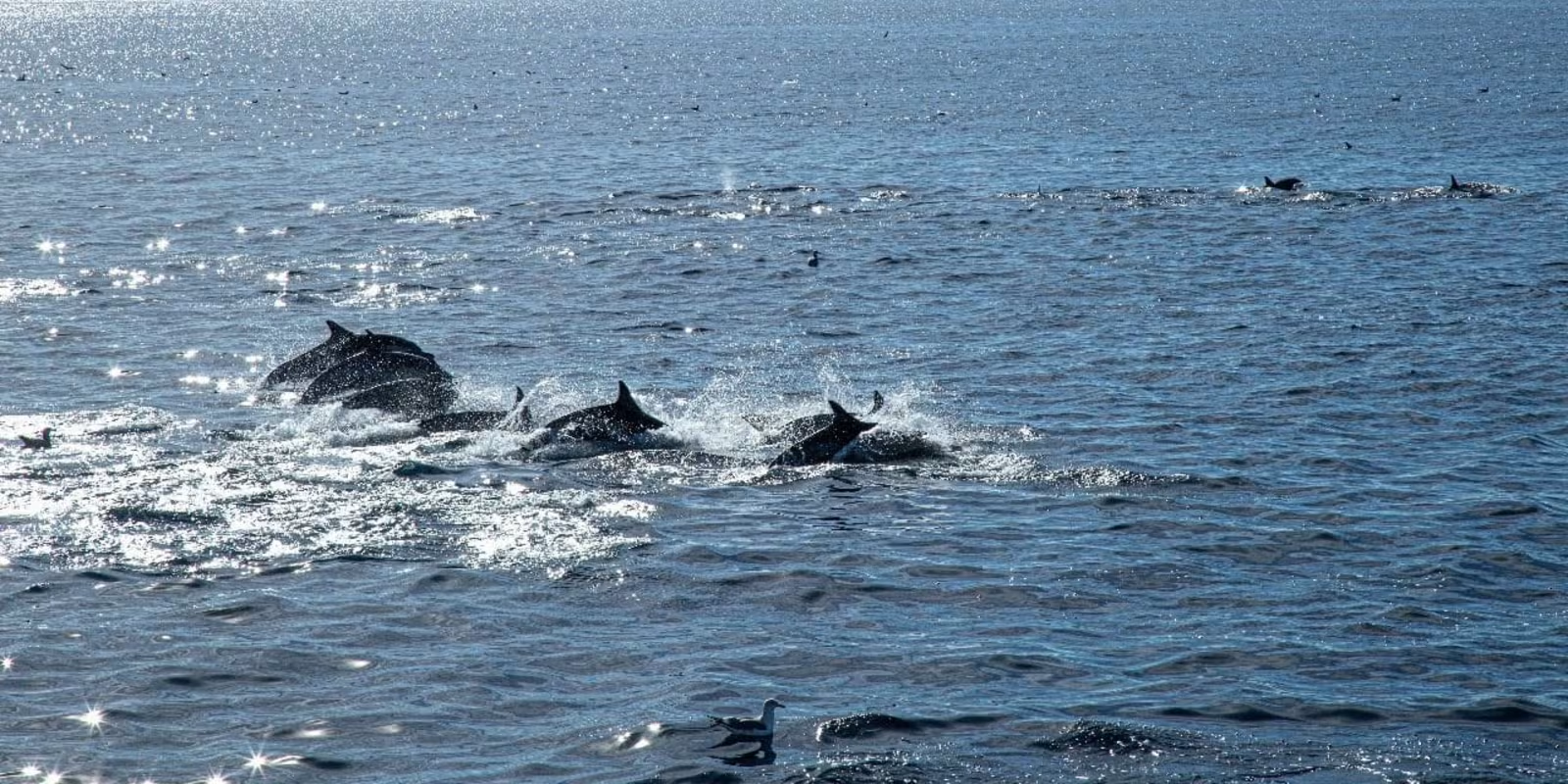
Most people climb into the panga thinking only about dolphins, and that is fair: they are the reason the boat goes out. But the same rich water that feeds the pods off Puerto Escondido feeds a lot of other animals too, and a good share of the best moments on a morning at sea have nothing to do with dolphins. Here is what else lives out there, how to spot it and how likely you are to see it.
Sea turtles: the most common extra
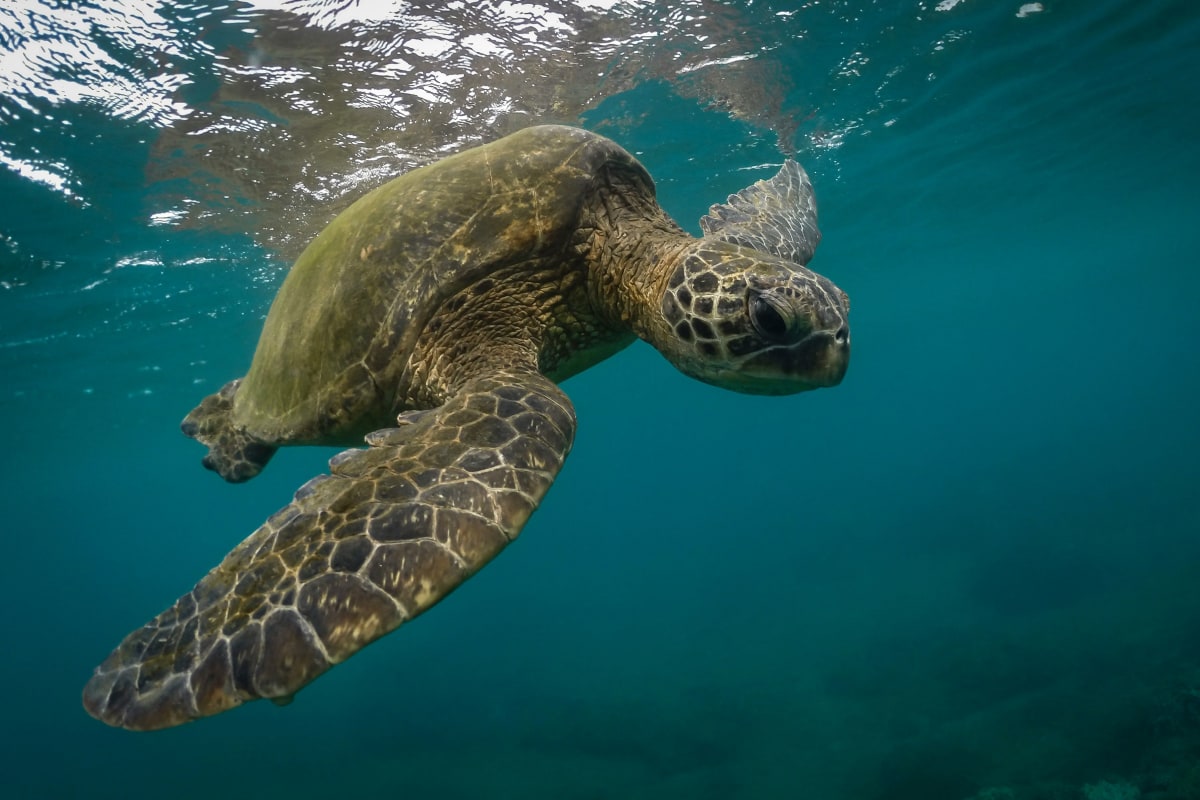
If you see one animal besides dolphins, it will probably be a turtle. The olive ridley (Lepidochelys olivacea) is by far the most common sea turtle on the Oaxacan coast, and the beaches east of Puerto Escondido host some of the largest nesting gatherings in the world. Out at sea you usually notice them as a small, rounded shell floating at the surface, often resting or warming up in the sun. When the boat gets close, the head pops up for a breath and the turtle slowly sinks out of sight.
Look carefully at floating turtles: now and then a seabird is standing on the shell, using it as a raft. It is one of those scenes that sounds made up until you see it.
Turtles are around all year, but the nesting season, roughly from summer into late autumn, is when you are most likely to see several on one trip, sometimes mating pairs at the surface. Green turtles (the dark East Pacific form locals call tortuga prieta) turn up less often, and a leatherback or hawksbill is a rare, lucky sighting.
All sea turtle species are protected in Mexico. Your captain will slow down and give them space, and you can help by keeping your voice down and your hands inside the boat.
Manta rays, mobulas and eagle rays
When people talk about "manta rays" in Puerto Escondido, they usually mean mobula rays, the smaller cousins of the giant manta. Mobulas are famous for leaping clear of the water and landing with a loud slap, sometimes one after another. Nobody fully knows why they do it. When a group is jumping, you will hear it before you see it.
The giant oceanic manta, with a wingspan that can pass five meters, does pass along this coast, but it is an occasional sighting, not something to expect on a three-hour trip. If you see one gliding under the surface, you have had a very good morning.
Closer to shore, on the way out past Puerto Angelito and Carrizalillo, watch for spotted eagle rays: dark, diamond-shaped bodies covered in white spots, flying just under the surface with a long whip of a tail. Calm, clear mornings are best for spotting them.
Seabirds: your captain's secret helpers
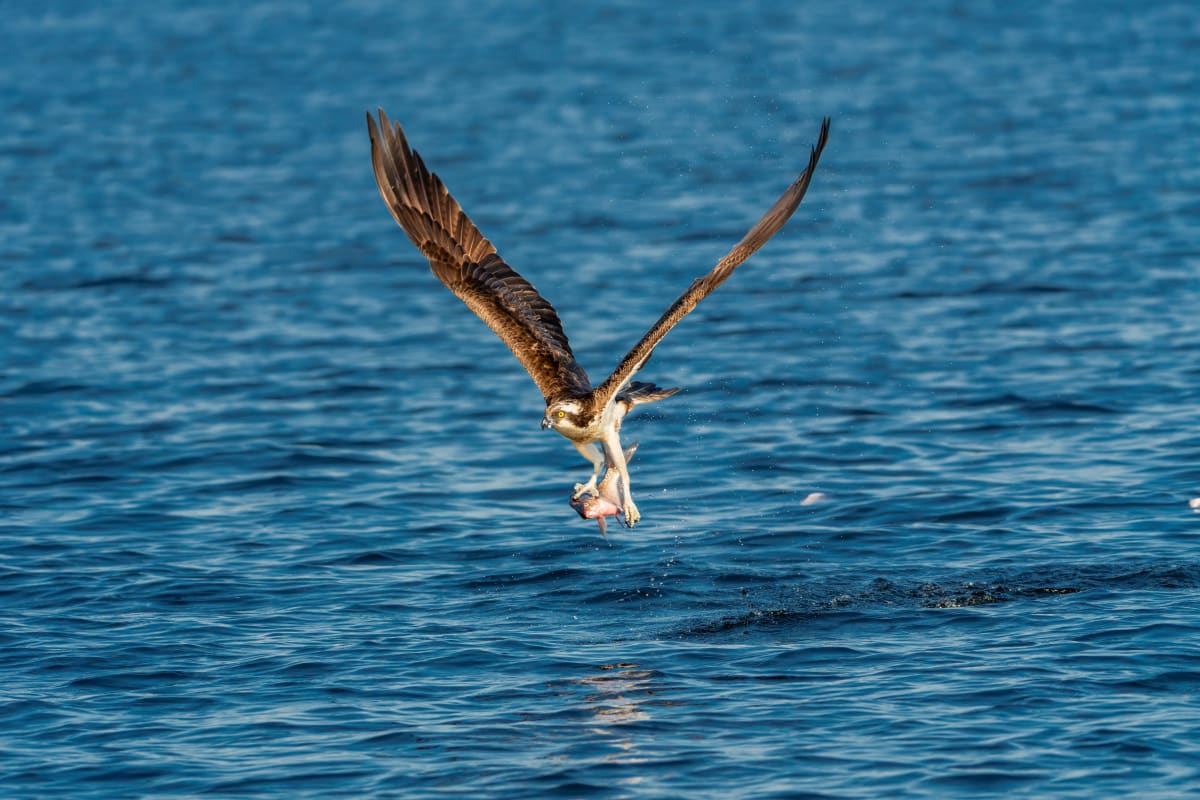
Birds are not just pretty extras out here. They are one of the main ways captains find wildlife. A cluster of birds diving into one patch of water usually means a school of small fish has been pushed to the surface, and dolphins, tuna or rays are often doing the pushing.
- Magnificent frigatebirds: huge black birds with long, angled wings and a forked tail, hanging almost motionless above the water. They rarely land on the sea and prefer to snatch fish from the surface or steal from other birds.
- Brown boobies: chocolate-brown with a white belly, flying low and fast over the swell and plunging into the water like darts. These are often the birds you find resting on turtles.
- Brown pelicans: big, heavy and hard to miss, gliding in lines along the waves near the coast, then folding up and crashing beak-first onto fish.
- Terns and gulls: smaller, paler and noisier, usually right in the middle of any feeding frenzy.
Some winters you may also see blue-footed boobies resting on rocks or flying past. If you want to know what you are looking at, ask the guide; the crew spends every morning out here and knows these birds well.
Flying fish, sailfish and other surprises
Flying fish are a near-daily sight. The boat startles them and they burst out of the water, gliding on stiff fins for a surprisingly long way before dropping back in. Kids tend to love them even more than the dolphins.
Puerto Escondido is also known for its sport fishing, and every so often a sailfish or a tuna will leap near a feeding area. It happens fast, so you need luck to see it. Now and then the crew also points out a yellow-bellied sea snake floating in a line of foam. They live their whole life in the open ocean and are venomous, so admire them from the boat, which is where you will be anyway.
And in winter, whales
From November to March, humpback whales migrate along the Oaxacan coast and become a regular bonus on the morning tour at no extra cost. They deserve their own article, so read our humpback season guide for what to expect.
What will I see on my trip?
Honestly, it depends on the morning. Dolphins are spotted on more than 95% of departures, but everything else in this article is a bonus that comes and goes with the season, the weather and the fish. A few things improve your chances:
- Keep scanning the whole horizon, not just the water near the bow. Birds, splashes and blows show up far away first.
- Wear polarized sunglasses. They cut the glare and let you see turtles and rays just under the surface.
- Watch the coast on the way out and back. Turtles and eagle rays are often seen in the shallower water near shore.
- Ask questions. The guide is there to point things out, and the bilingual explanations are part of the tour.
If you are curious about the dolphins themselves, our field guide to the dolphin species of Puerto Escondido explains how to tell a spinner from a bottlenose. And because every animal on this list is wild, the same rules apply to all of them: no chasing, no touching, and let them decide how close to come. Our guide to responsible dolphin watching explains how we do it on every trip.